Route 28 Bridge Replacement

Project Overview

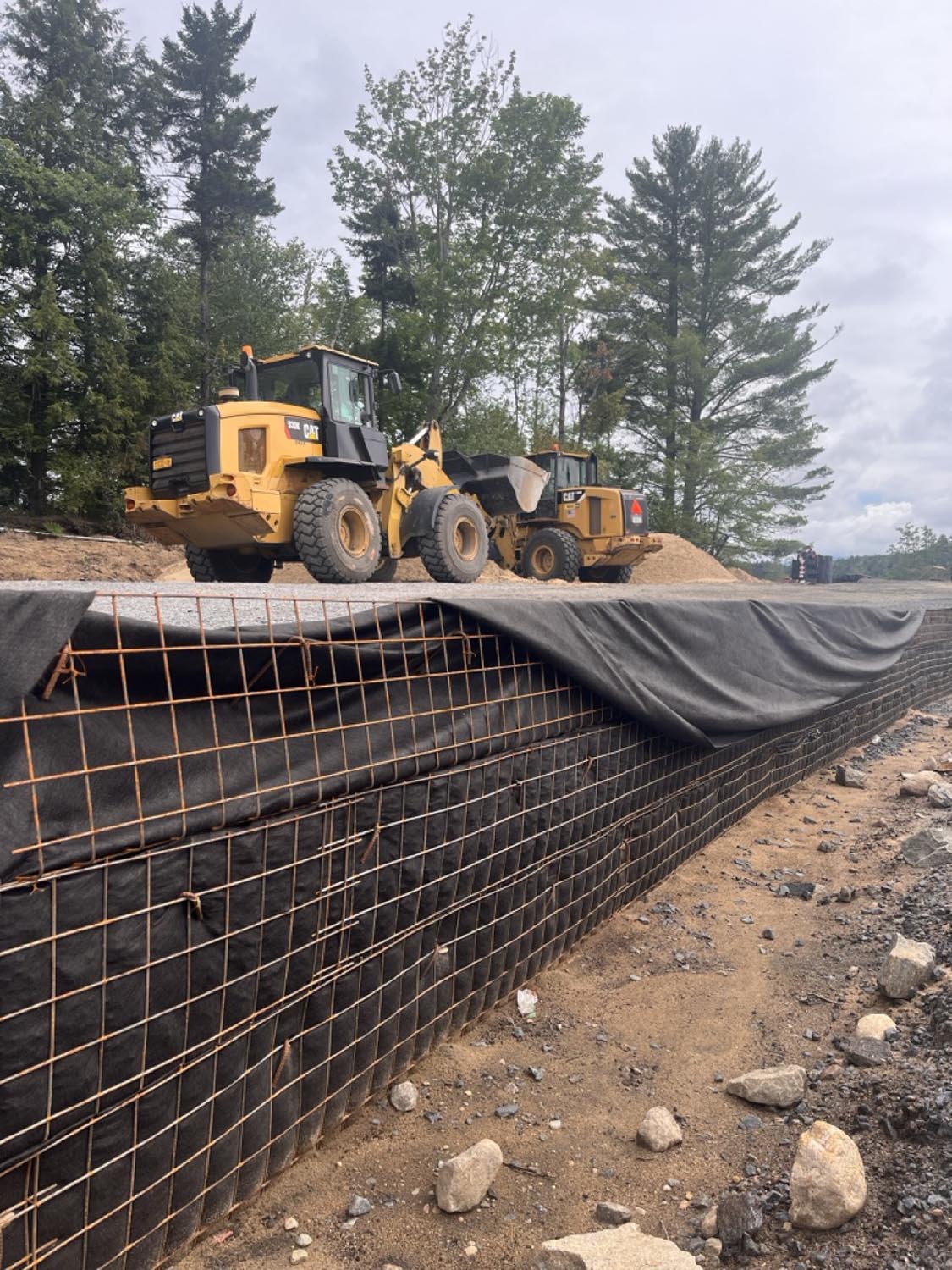
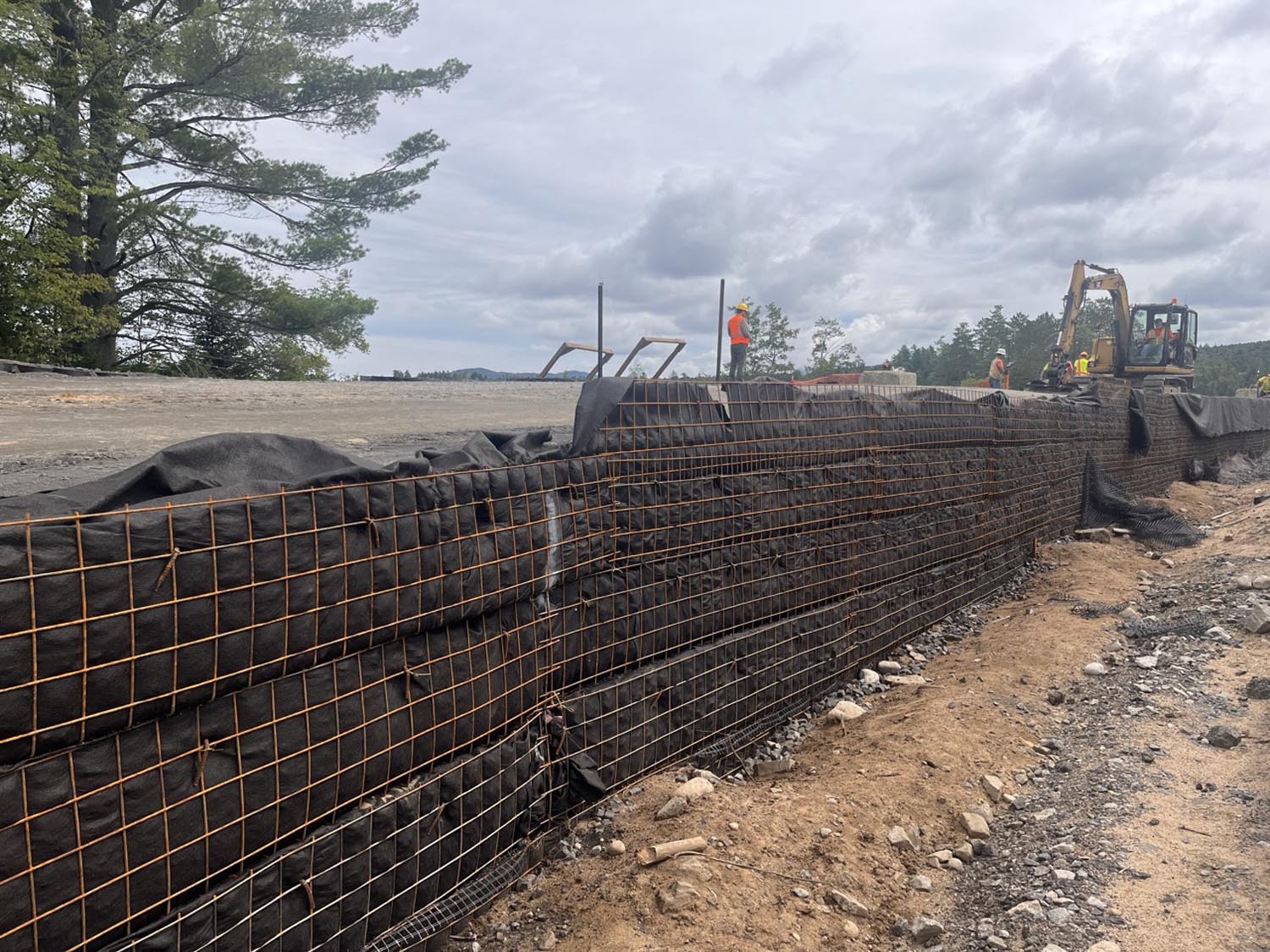
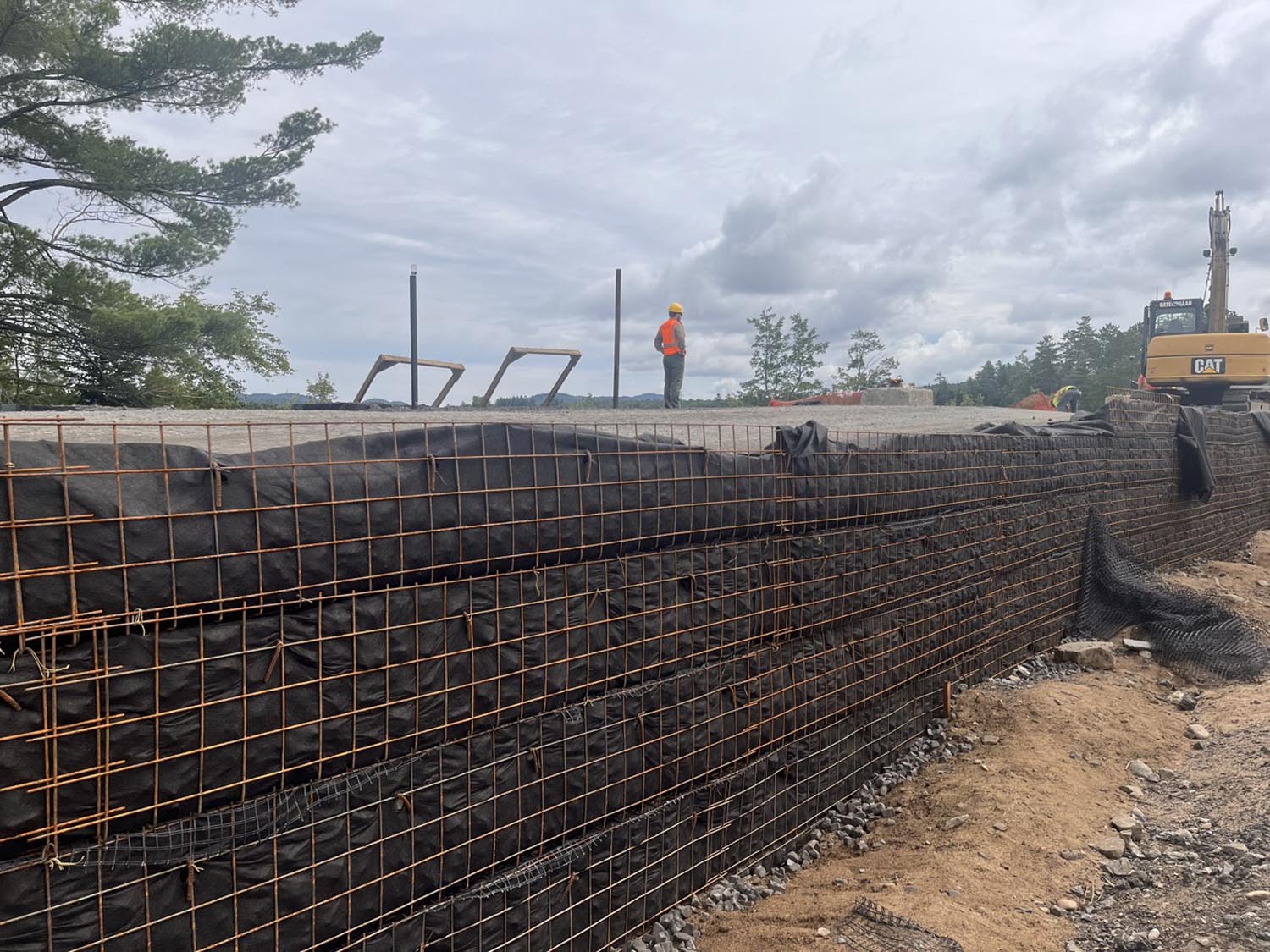
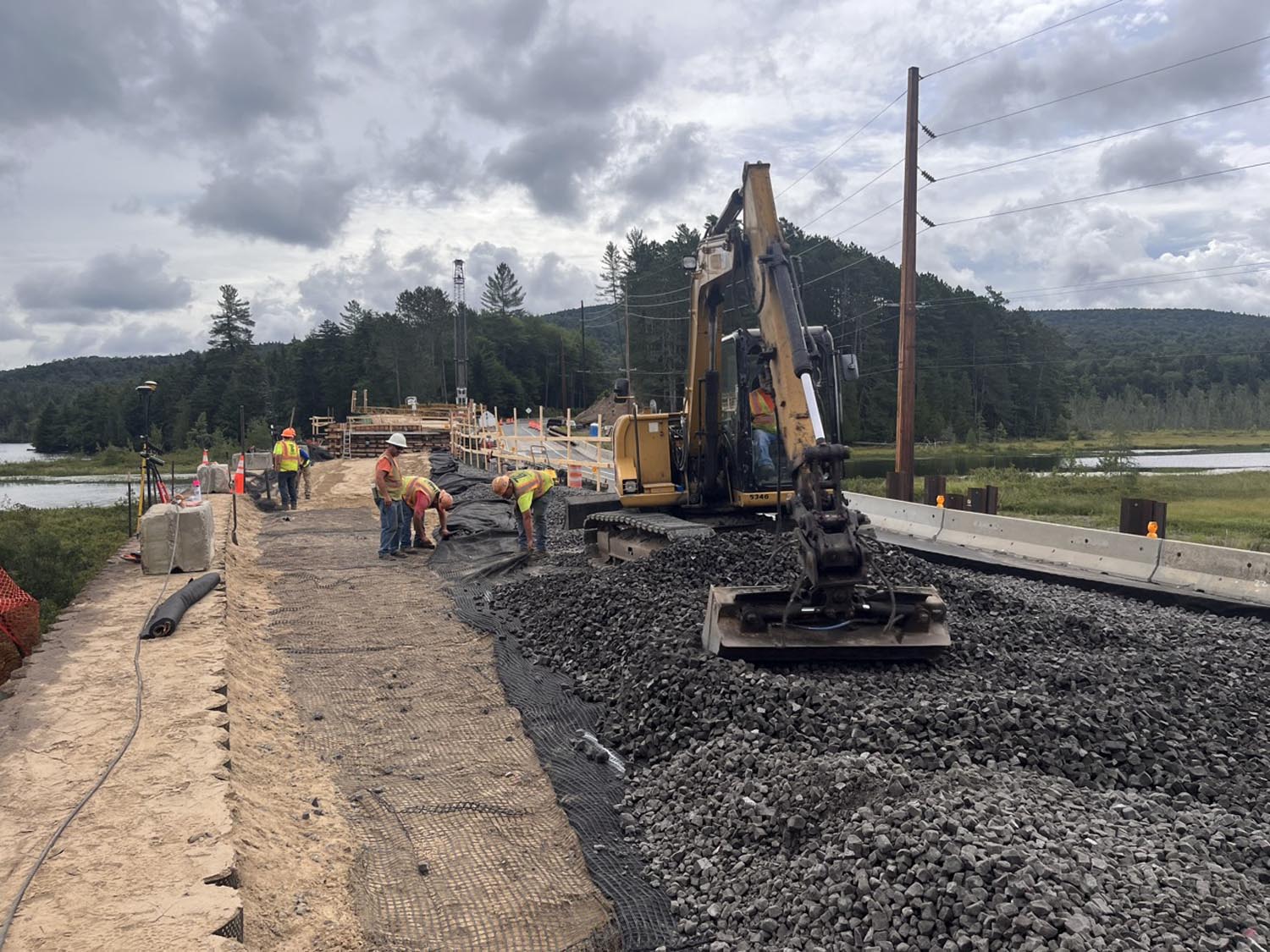
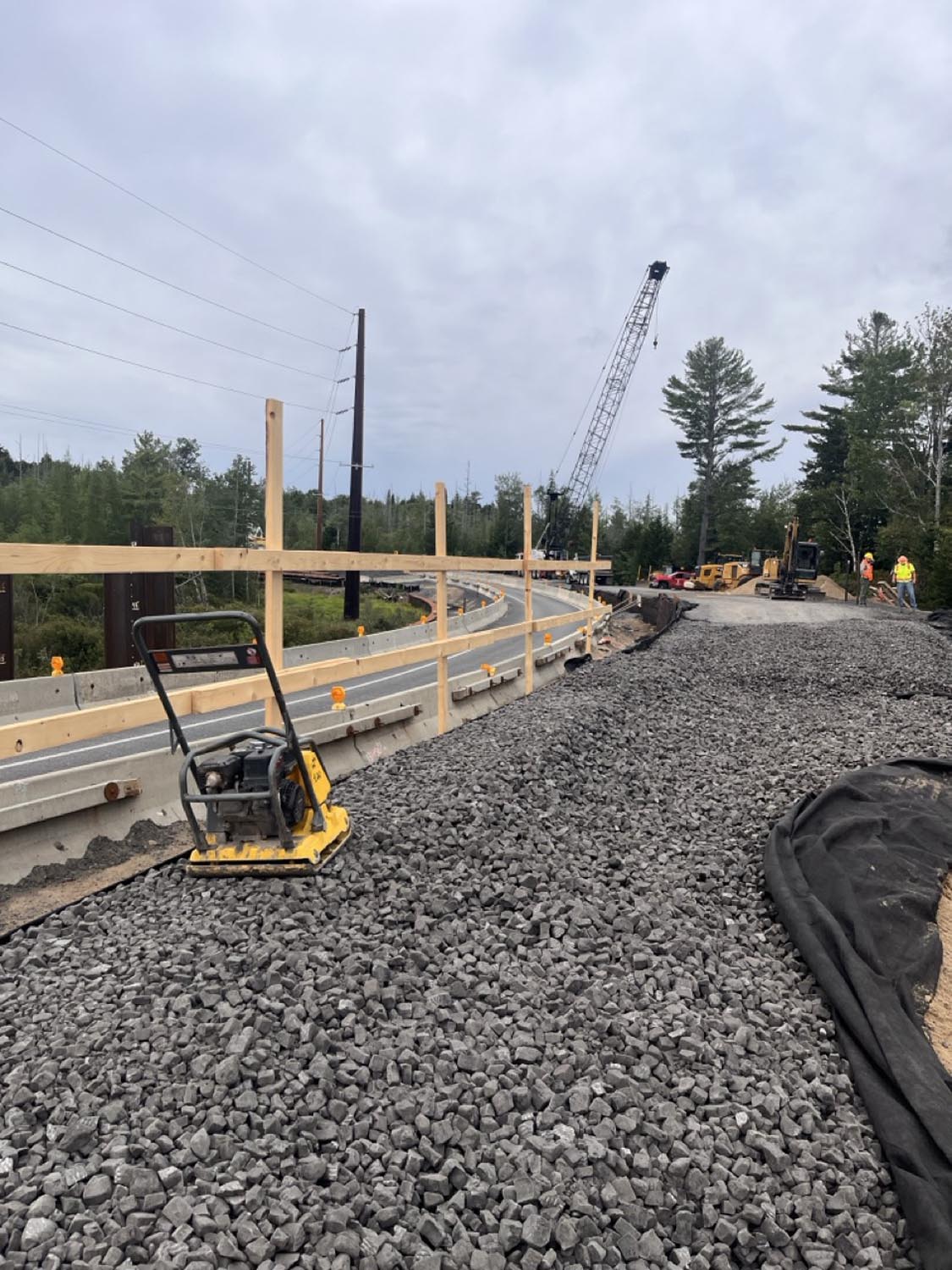
A historic bridge through the Adirondack Park near Raquette Lake needed a 12 foot grade change over a sensitive marshland. Foamed glass aggregate delivered a lightweight solution that protected the nearby landscape and eliminated the need for driving piles.
Design Challenges

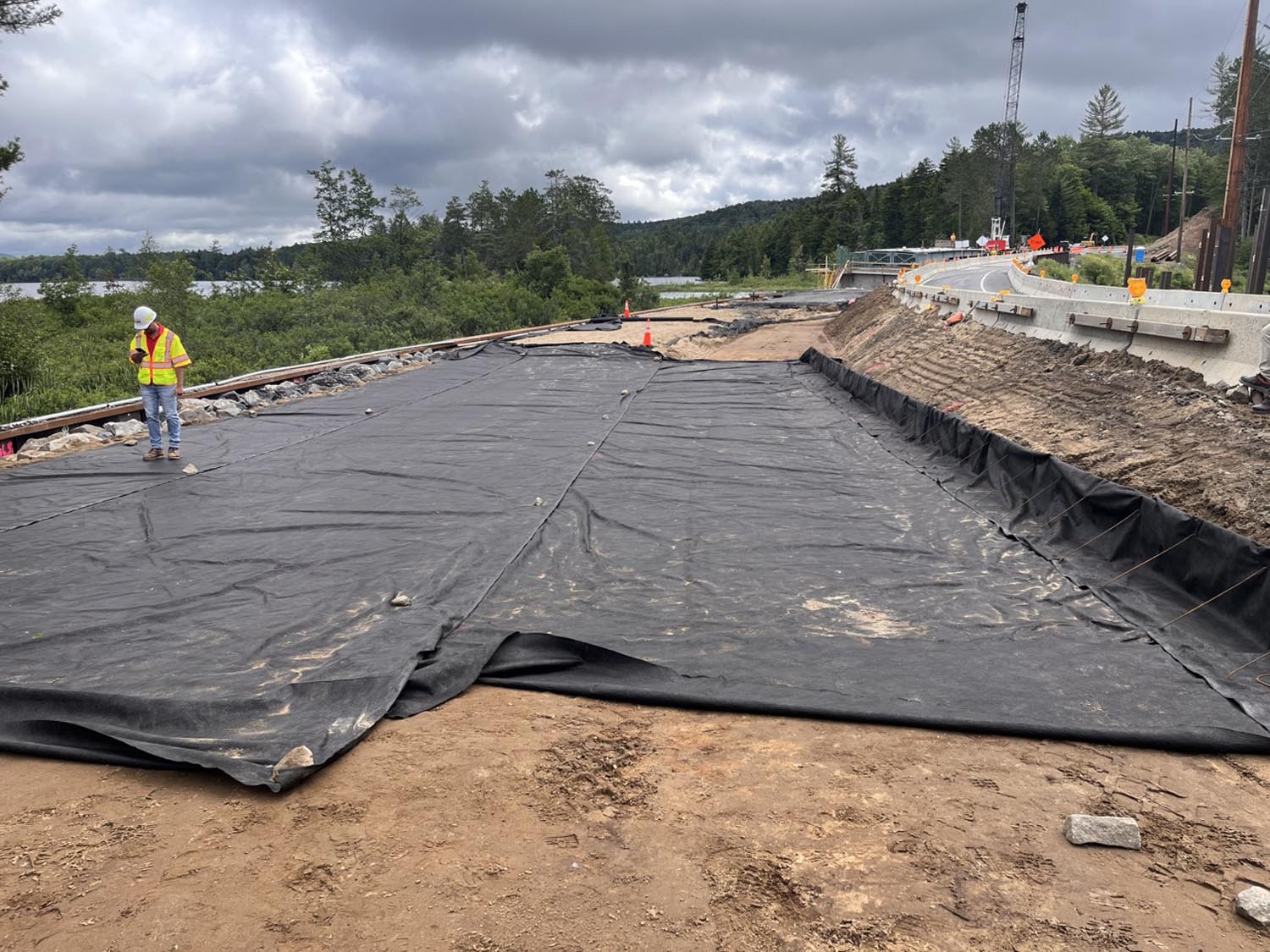
The Route 28 Bridge in Raquette Lake, New York presented a complex engineering challenge at the intersection of structural need and environmental sensitivity. Situated over soft, settlement-prone marshy soils, the bridge required a 12 foot grade elevation to meet new design specifications. Traditional approaches faced critical obstacles:

  • Soil instability: Conventional fill materials would add excessive weight to already weak, compressible marshy soils, risking significant long-term settlement.
  • Environmental constraints: The surrounding wetlands were highly sensitive to disturbance, requiring minimal impact to the delicate ecosystem.
  • Cost pressures: Deep foundation solutions using steel piles would have been prohibitively expensive for the project scope.

The design team needed a solution that could achieve the required elevation without overloading the soft subgrade or damaging the protected wetland environment.

Glavel as a Solution

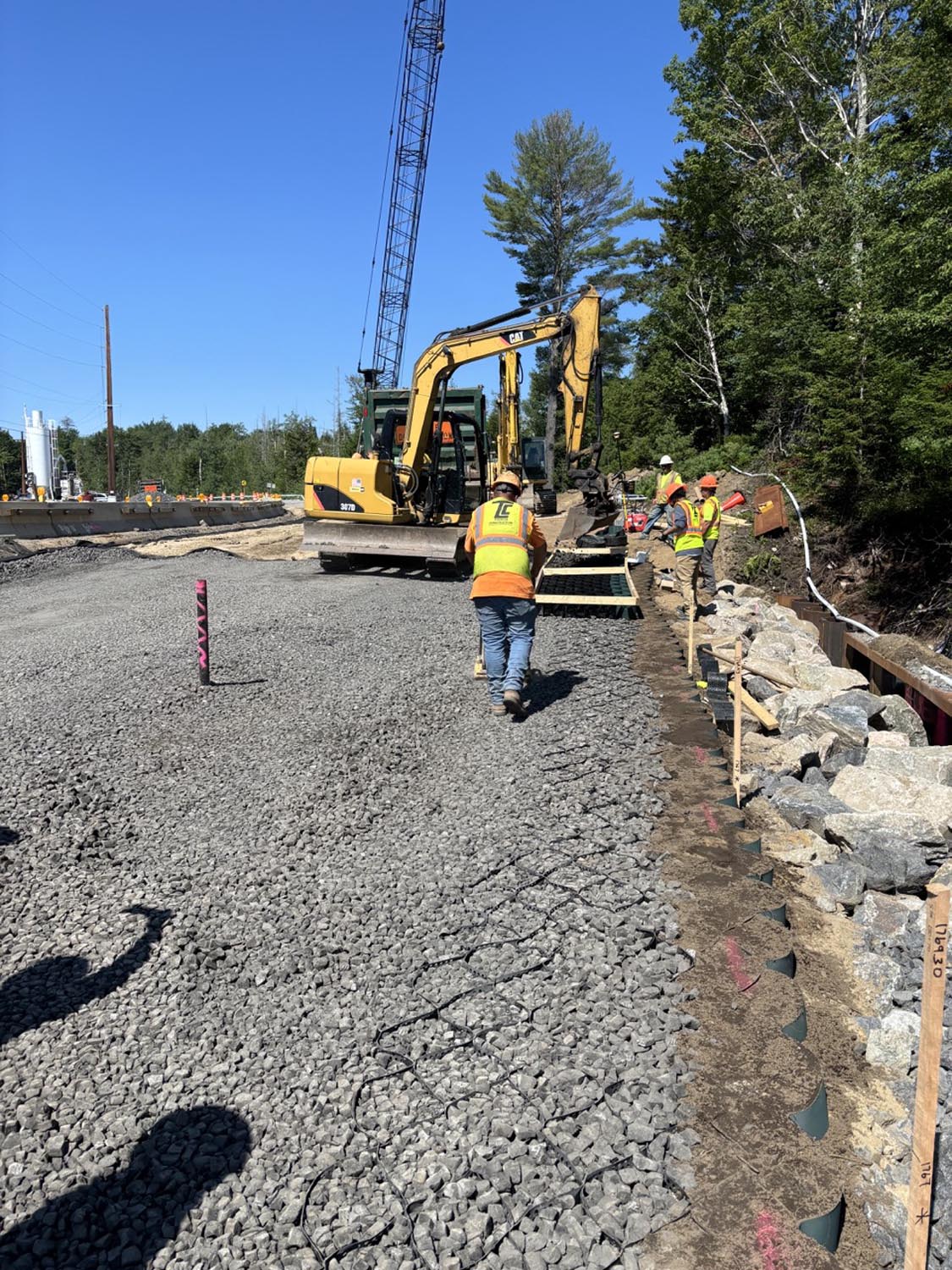
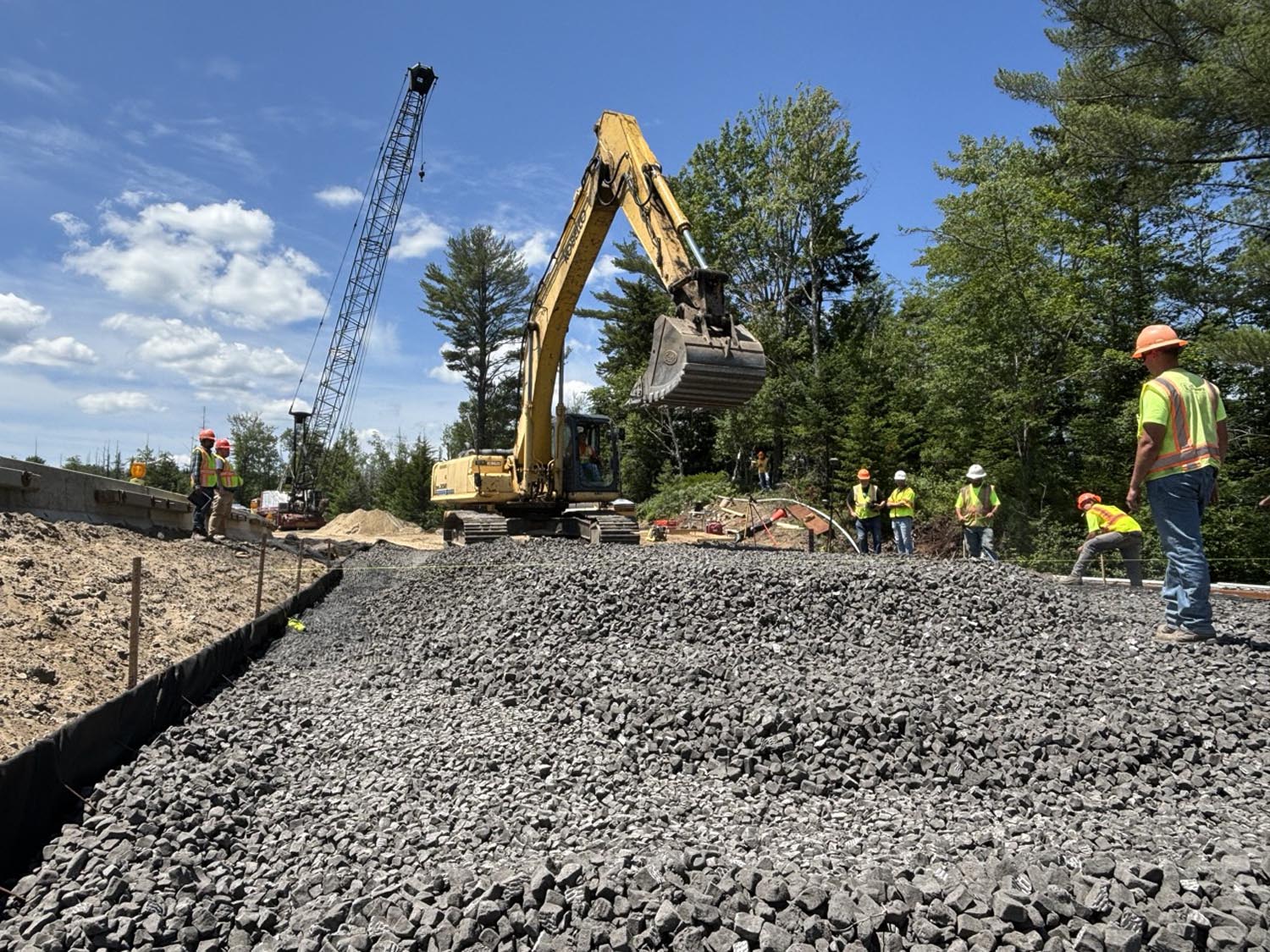
Foamed glass aggregate emerged as the optimal material to balance geotechnical performance and environmental protection. With a bulk density 90% lighter than conventional soil fill, foamed glass aggregate allowed the project team to raise the grade to the specified elevation while adding minimal additional load on the underlying marsh soils.
The lightweight properties of foamed glass aggregate delivered multiple advantages:

  • Reduced the risk of settlement and soil failure beneath the raised grade.
  • Removed the need for expensive deep foundation elements like steel piles.
  • Minimized disturbance to the sensitive wetland ecosystem during construction.
Project Name
Route 28 Bridge Replacement
Location
Raquette Lake, New York
Application
Scope Completion Date
August 2025
Volume
6,000 cubic yards
Carbon Savings

Case Studies

Foamed Glass Aggregate being used at the Exit 17 Bridge Replacement
Infrastructure Construction
, Lightweight Fill
Exit 17 Bridge Replacement
Vermont’s Exit 17 Bridge replacement used 12,500 cubic yards of foamed glass aggregate to build bridge approaches over deep clay soils, eliminating the need for costly excavation while preventing long-term settlement in the I-89 corridor.
Featured photo for the OnLogic Case Study
Commercial Construction
, Subslab Insulation
OnLogic
OnLogic’s 150,000 sq ft headquarters achieved 87% embodied carbon reduction by replacing traditional foam insulation with foamed glass aggregate in their subslab assembly.
Foamed Glass Aggregate being used at the Route 28 Bridge Replacement
Infrastructure Construction
, Lightweight Fill
Route 28 Bridge Replacement
A historic bridge through the Adirondack Park near Raquette Lake needed a 12 foot grade change over a sensitive marshland. Foamed glass aggregate delivered a lightweight solution that protected the nearby landscape and eliminated the need for driving piles.
Commercial Construction
OnLogic
OnLogic’s 150,000 sq ft headquarters achieved 87% embodied carbon reduction by replacing traditional foam insulation with foamed glass aggregate in their subslab assembly.

Let’s Build Together.

Explore how foamed glass aggregate can work for you.