Dewey Avenue Road Stabilization

Project Overview

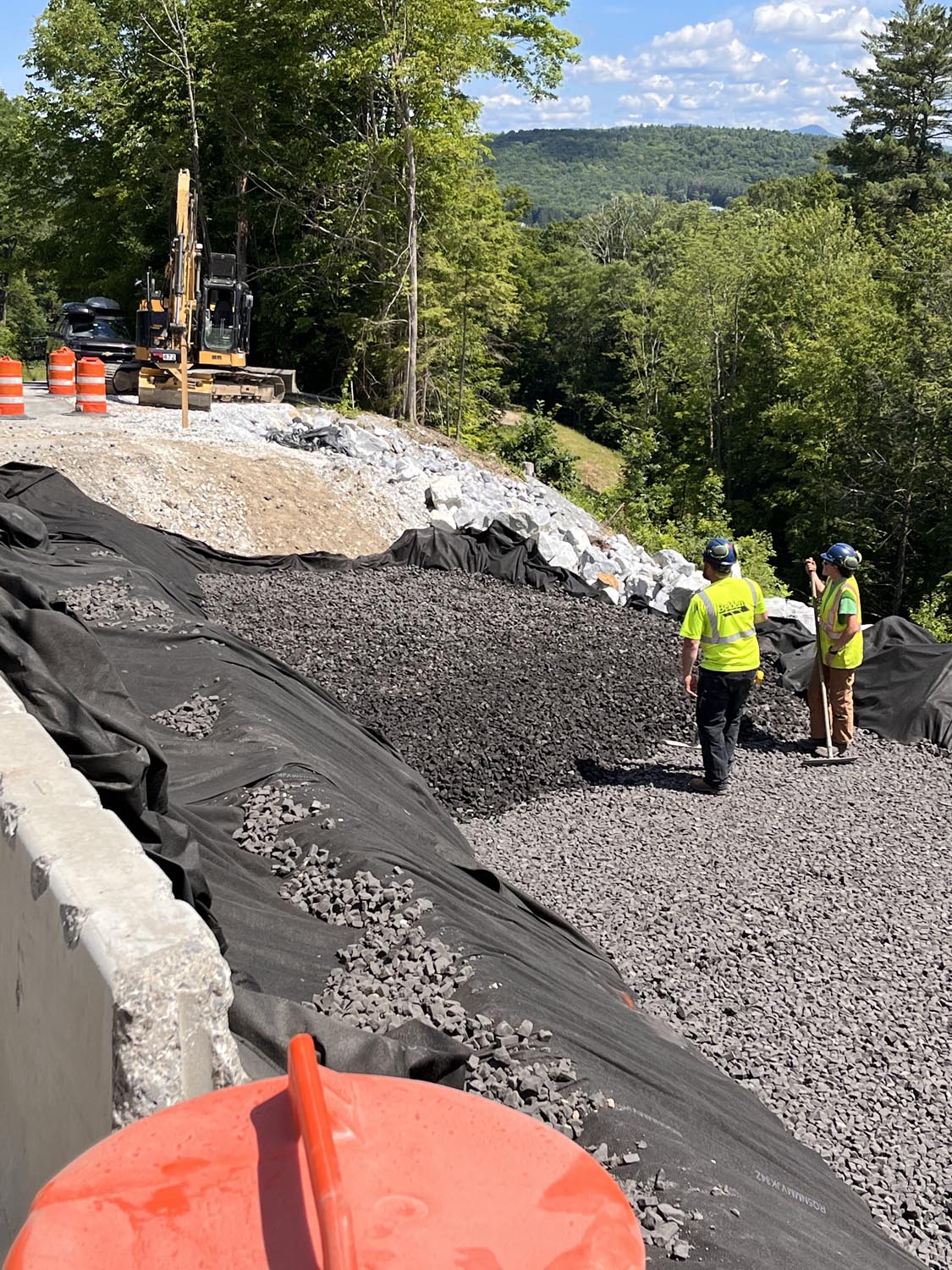
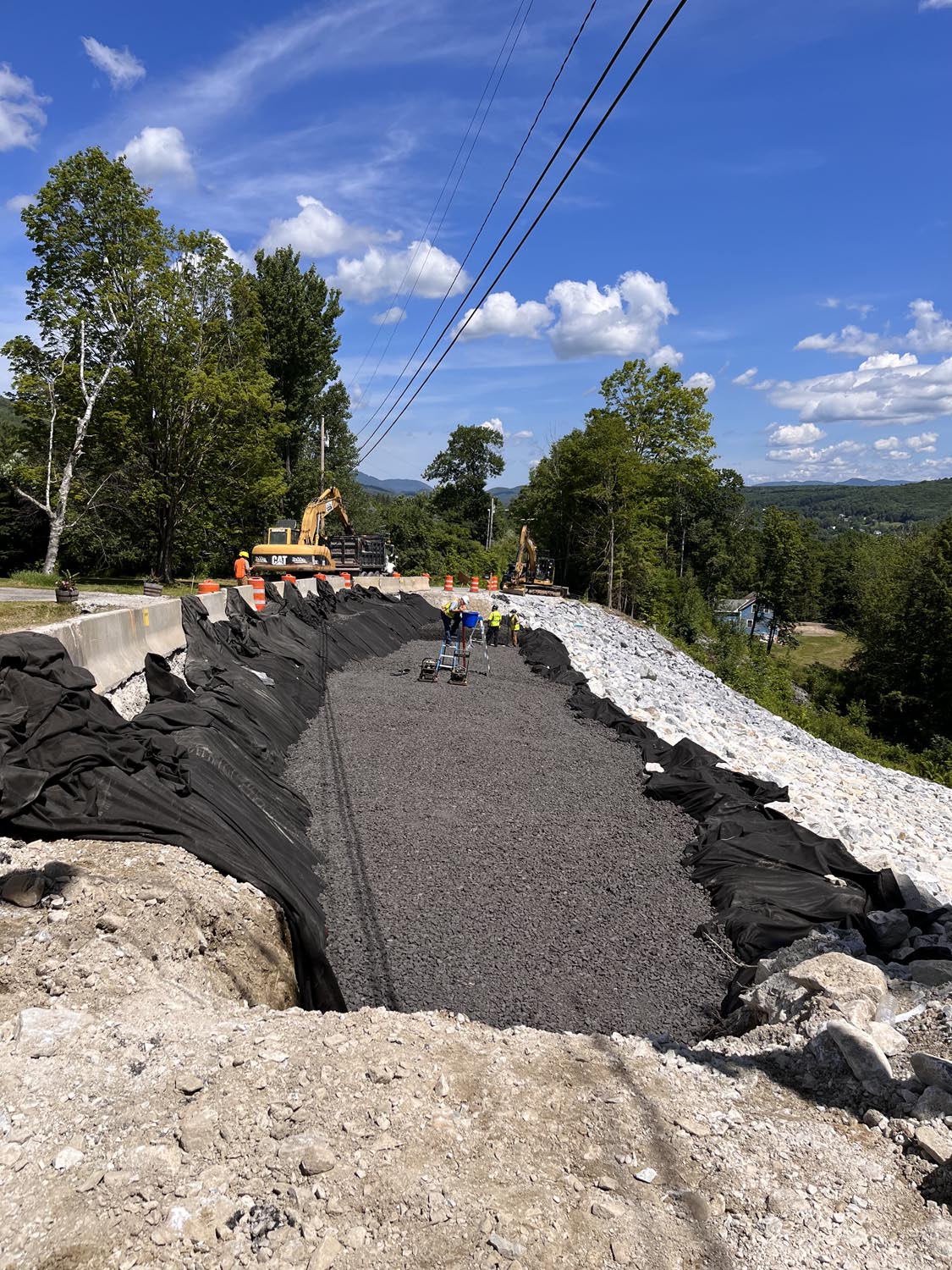
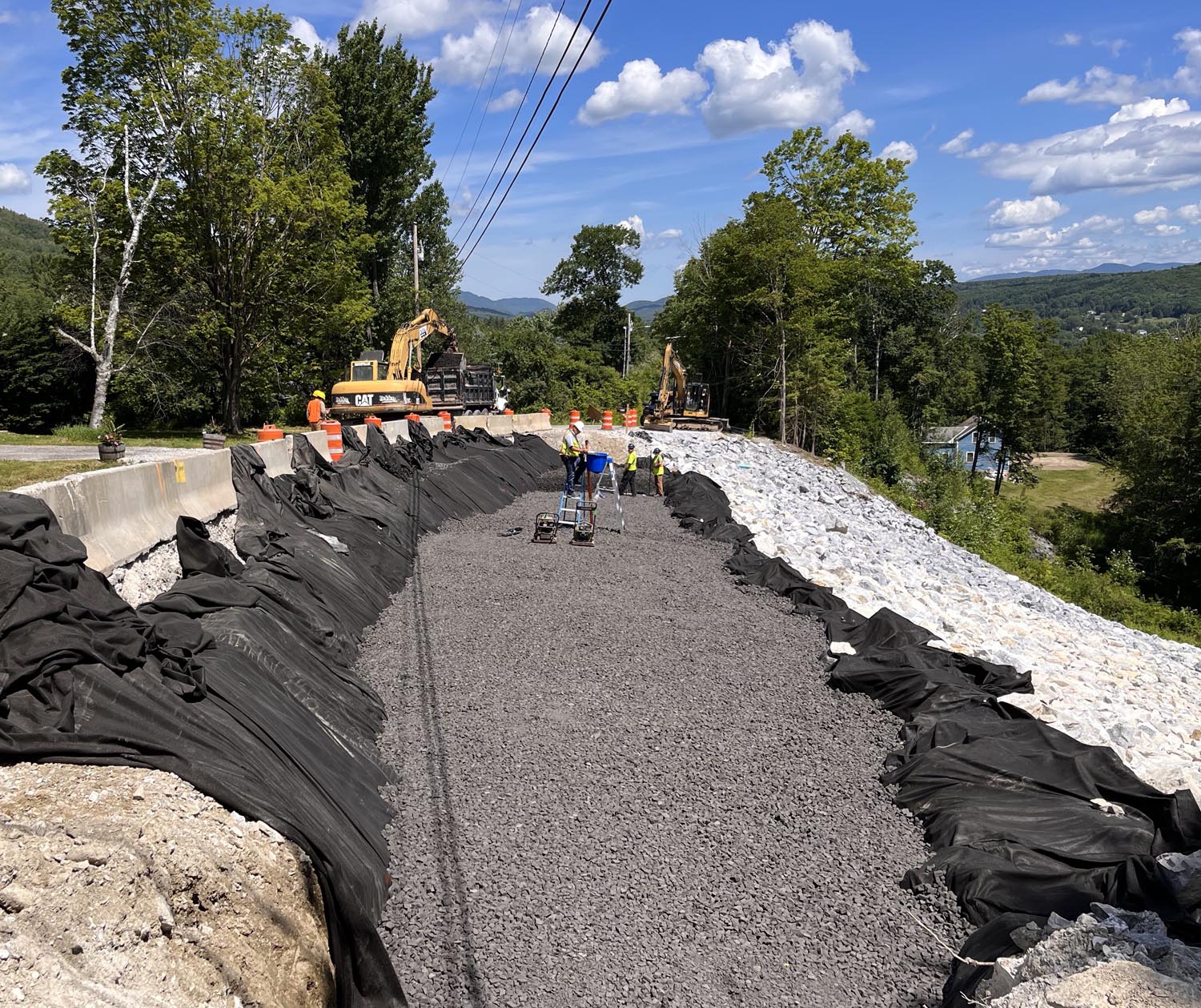
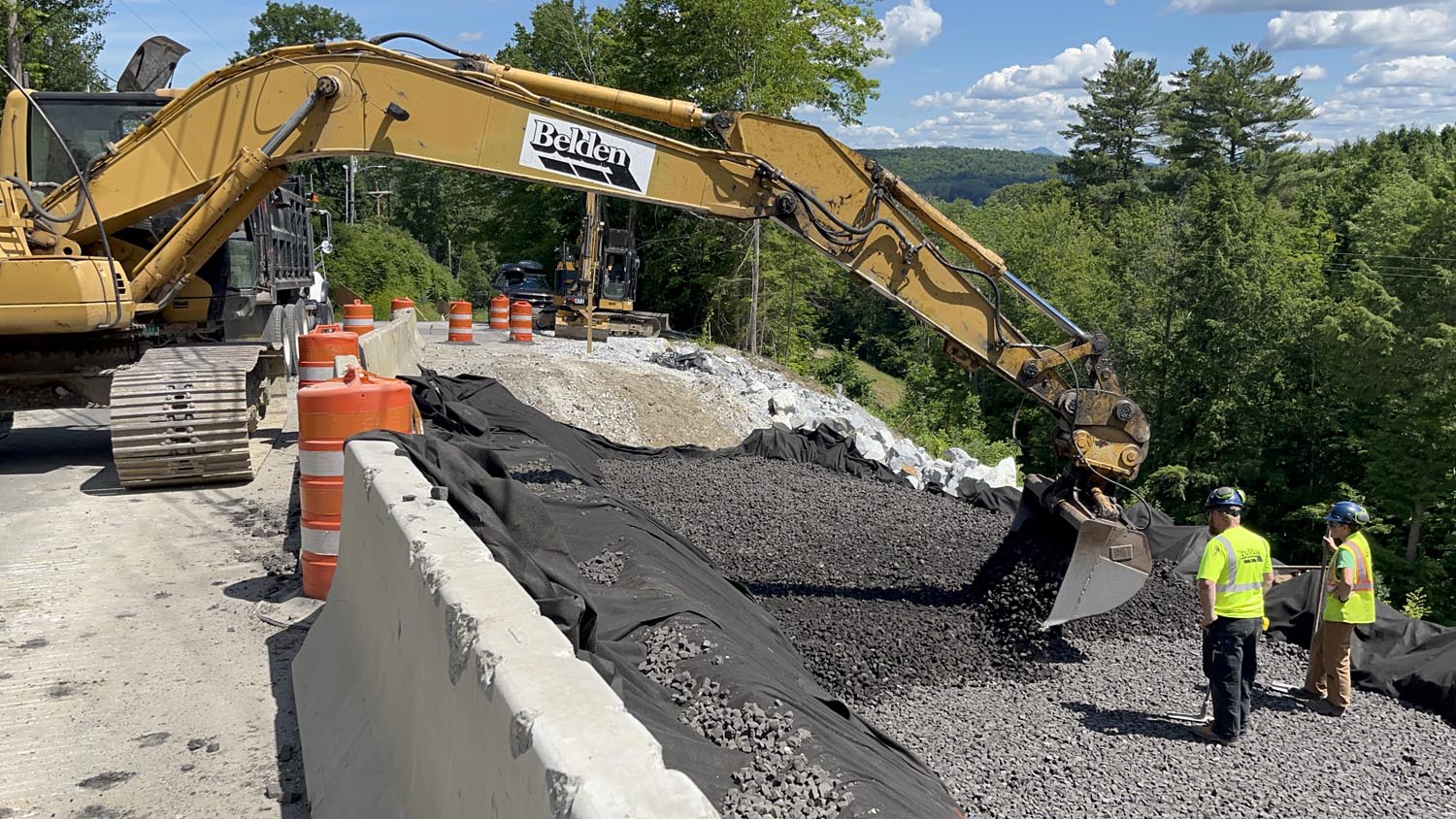
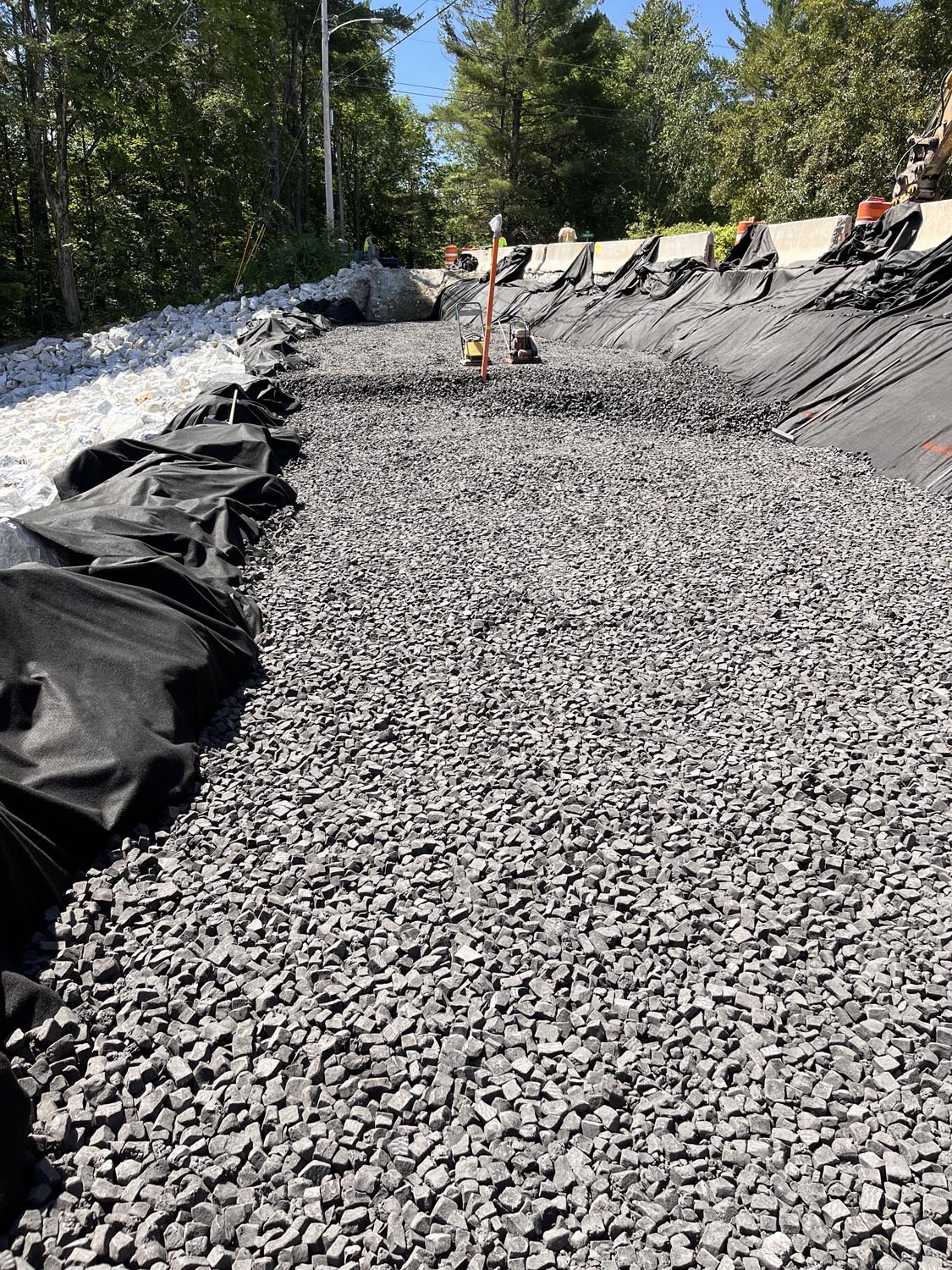
The embankment below Dewey Avenue in West Rutland, Vermont collapsed under the weight of traditional fill and live loads from traffic. Foamed glass aggregate was used as a lightweight fill solution to alleviate the structural requirements along the embankment.

Design Challenges

The road collapse at Dewey Avenue identified the limits of this embankment under high dead load. The embankment failure created an urgent need for reconstruction with materials that wouldn’t create another collapse. Key considerations on the rebuild included:

  • Steep slope geometry: The embankment’s steep profile created a precarious balance between the roadway loads above and the slope’s stability below.
  • Weight-induced failure: Traditional stone base materials and the road itself exceeded the embankment’s load-bearing capacity.
  • Drainage concerns: Soil waterlogging contributed to slope instability, requiring a solution that provided both support and effective drainage.

Glavel as a Solution

Foamed glass aggregate provided high compressive strength and low unit weight, making it the ideal lightweight fill for the roadway reconstruction. The weight reduction was a significant contributor towards the rebuilt embankment’s stability, reducing the load by 90% compared to traditional stone or fill. The non-permeable closed-cell structure of foamed glass aggregate created a free-draining base that prevented moisture build up and additional load on the steep embankment. Foamed glass aggregate’s use in the Dewey Avenue Road Stabilization highlighted how lightweight fill materials solve multiple issues faced by roadway failures along embankments, turning a roadway with a conventional embankment into a stable infrastructure asset.

Project Name
Dewey Avenue Road Stabilization
Location
West Rutland, Vermont
Application
Scope Completion Date
July 2023
Volume
650 cubic yards
Carbon Savings

Case Studies

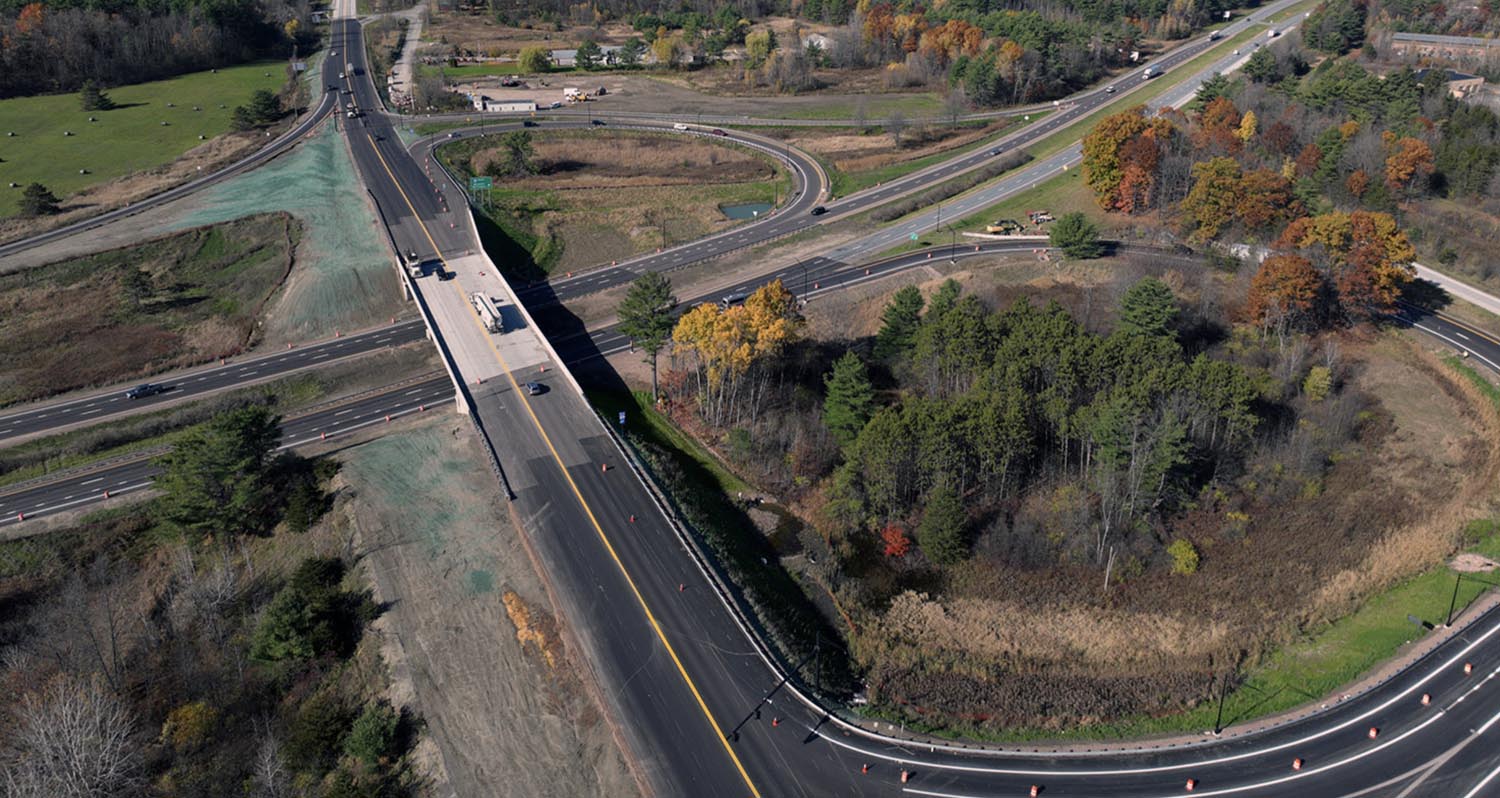
Foamed Glass Aggregate being used at the Exit 17 Bridge Replacement
Infrastructure Construction
, Lightweight Fill
Exit 17 Bridge Replacement
Vermont’s Exit 17 Bridge replacement used 12,500 cubic yards of foamed glass aggregate to build bridge approaches over deep clay soils, eliminating the need for costly excavation while preventing long-term settlement in the I-89 corridor.
Featured photo for the OnLogic Case Study
Commercial Construction
, Subslab Insulation
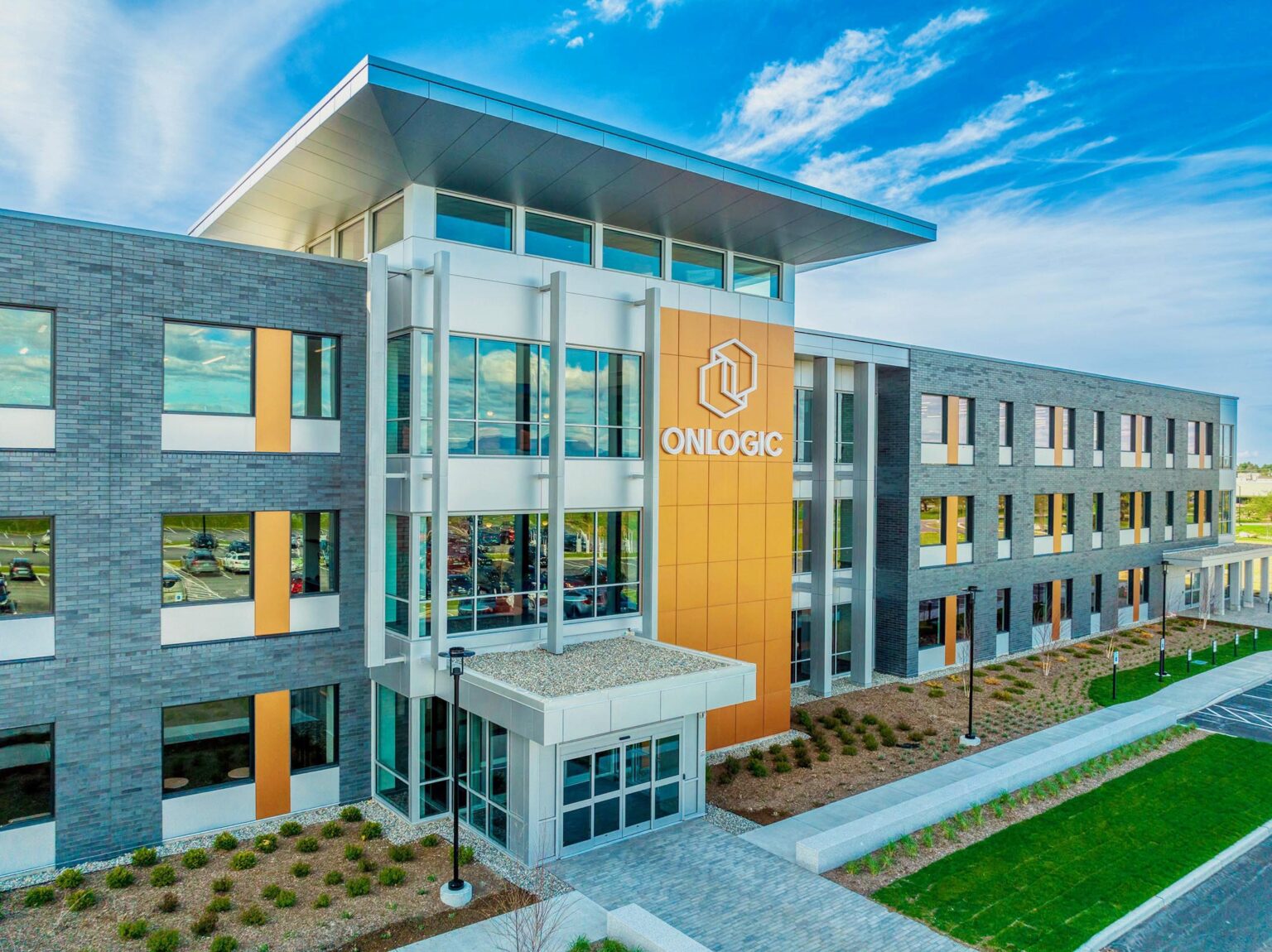
OnLogic
OnLogic’s 150,000 sq ft headquarters achieved 87% embodied carbon reduction by replacing traditional foam insulation with foamed glass aggregate in their subslab assembly.
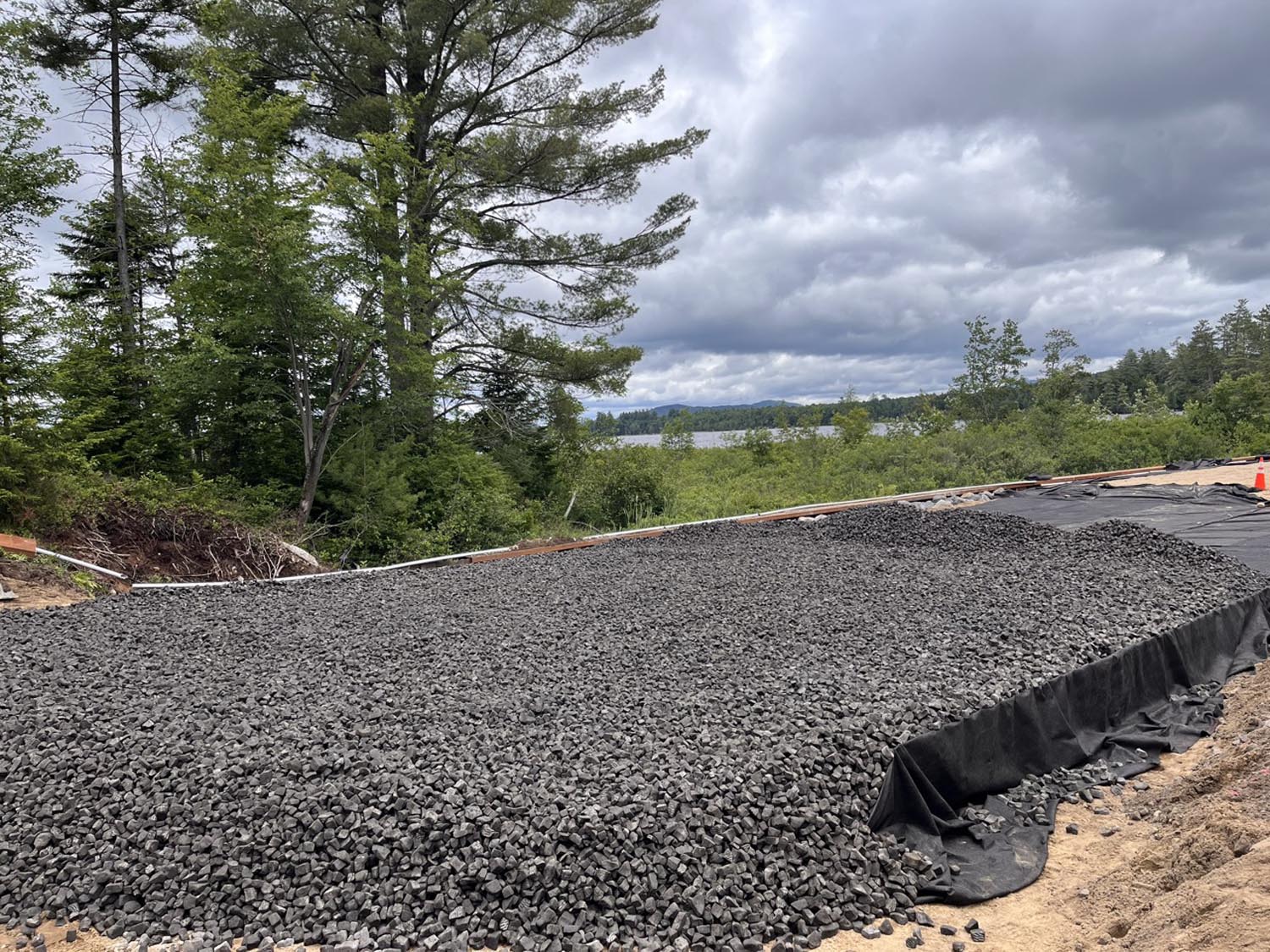
Foamed Glass Aggregate being used at the Route 28 Bridge Replacement
Infrastructure Construction
, Lightweight Fill
Route 28 Bridge Replacement
A historic bridge through the Adirondack Park near Raquette Lake needed a 12 foot grade change over a sensitive marshland. Foamed glass aggregate delivered a lightweight solution that protected the nearby landscape and eliminated the need for driving piles.
Commercial Construction
OnLogic
OnLogic’s 150,000 sq ft headquarters achieved 87% embodied carbon reduction by replacing traditional foam insulation with foamed glass aggregate in their subslab assembly.

Let’s Build Together.

Explore how foamed glass aggregate can work for you.