Herb Chambers Toyota

Project Overview

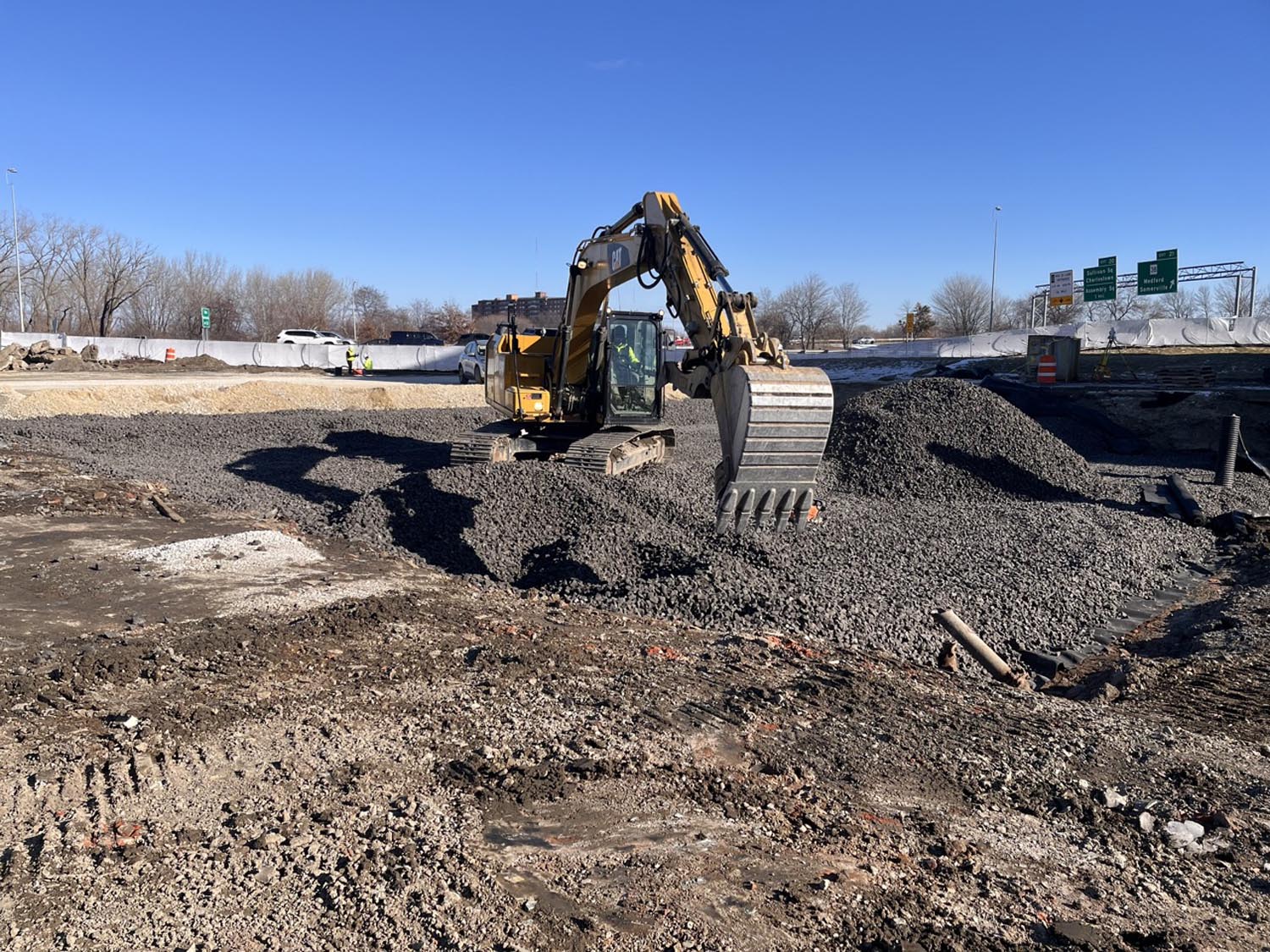
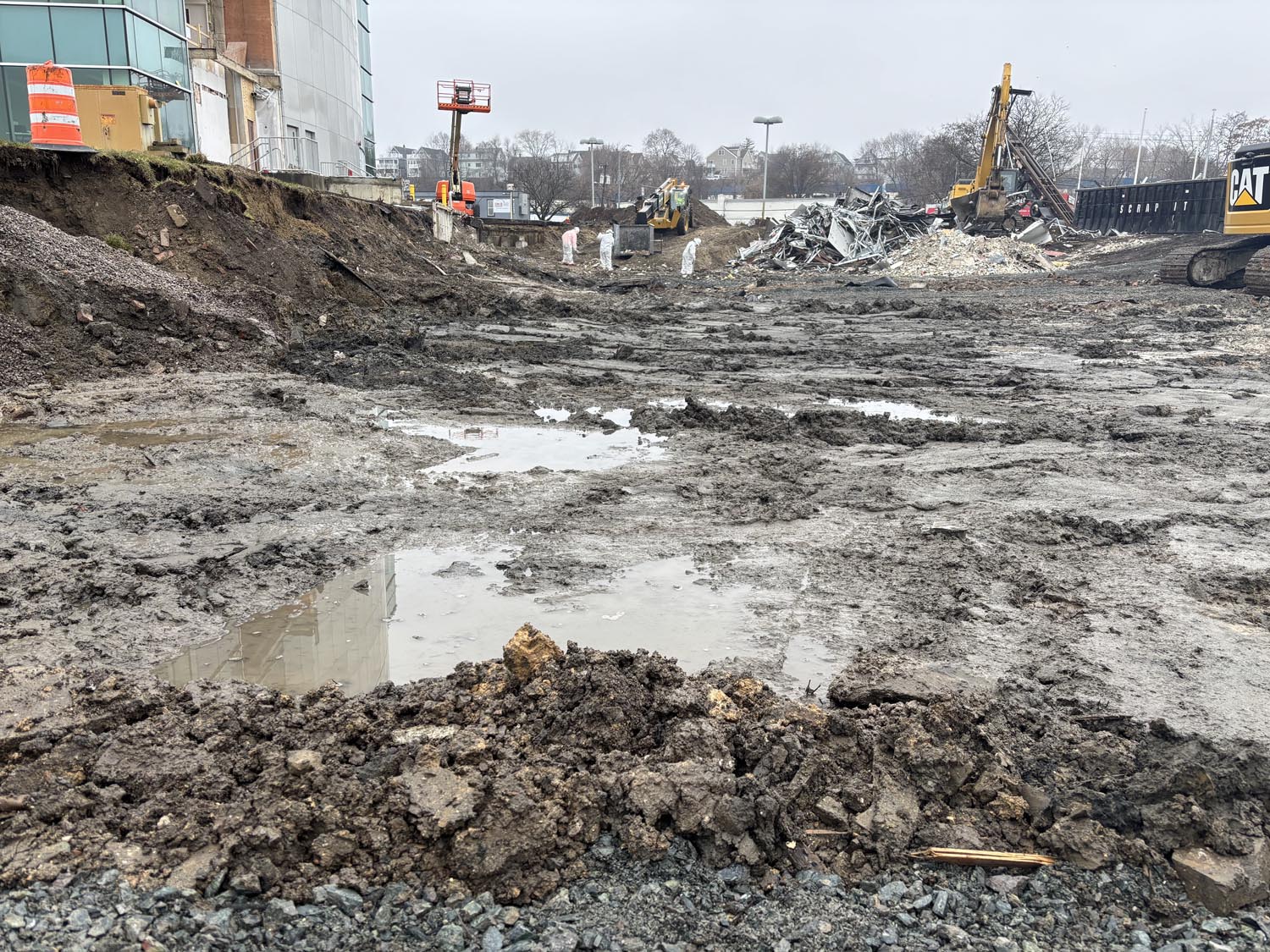
The Herb Chambers Toyota site in Medford, Massachusetts was directly atop poor quality subgrade conditions consisting of marshy soil and debris from previous foundations. Building a multi-story structure on top of these conditions risked serious settlement concerns that could have threatened the safety and longevity of the building. Foamed glass aggregate alleviated these concerns by being used as lightweight fill after excavating the poor quality soil, leaving a high compressive strength base to build a stable foundation on.
Design Challenges

The project team needed to build a foundation that could support a 3 story inventory garage atop soils prone to settlement and consolidation. The site presented two key geotechnical challenges:

  • Directly underneath the ground was masonry and timber from previous foundations that had been built in previous centuries.
  • The soil was compressible and had an unstable subsurface, as well as issues with a high water table that complicated drainage.

Glavel as a Solution

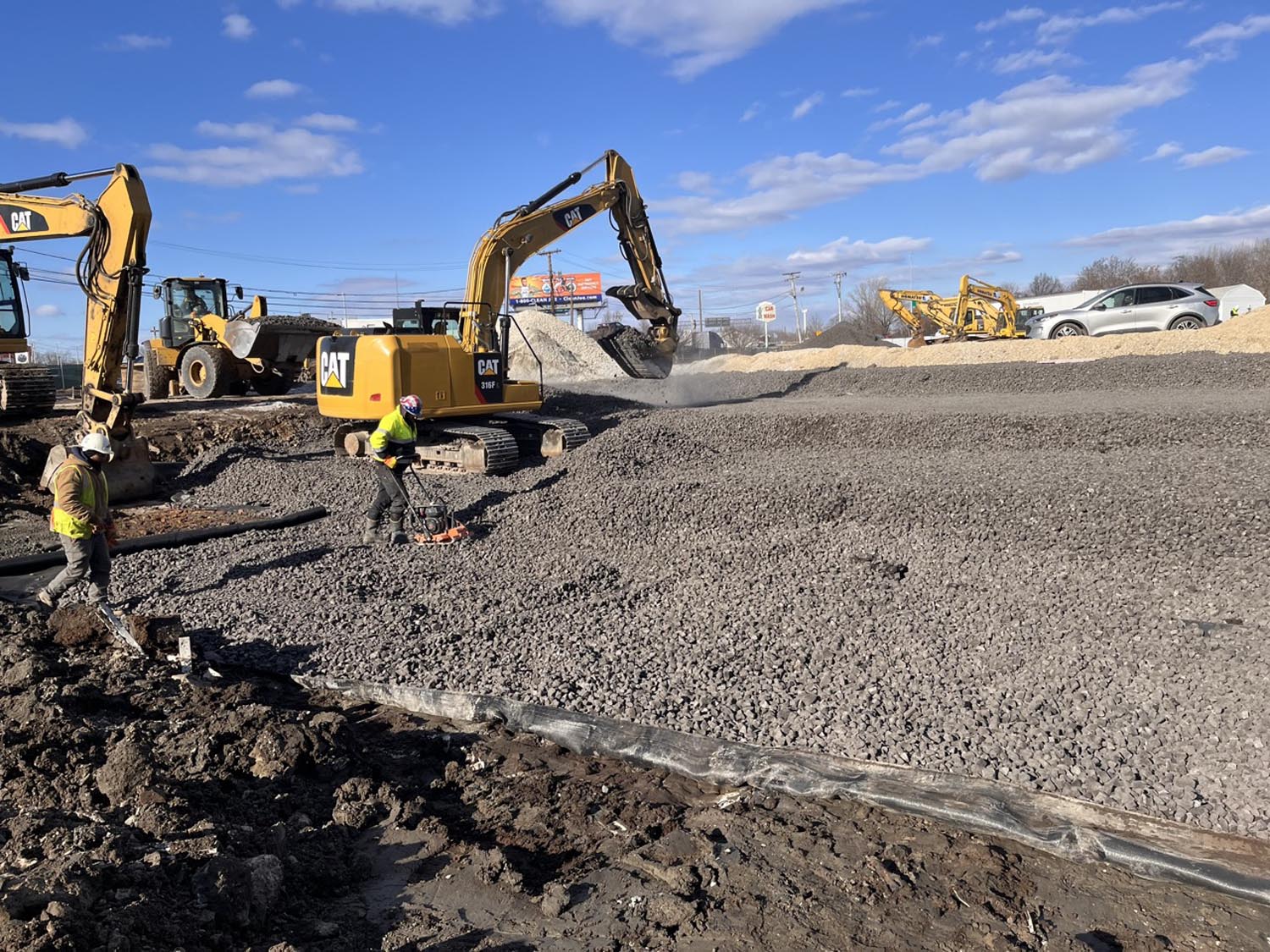
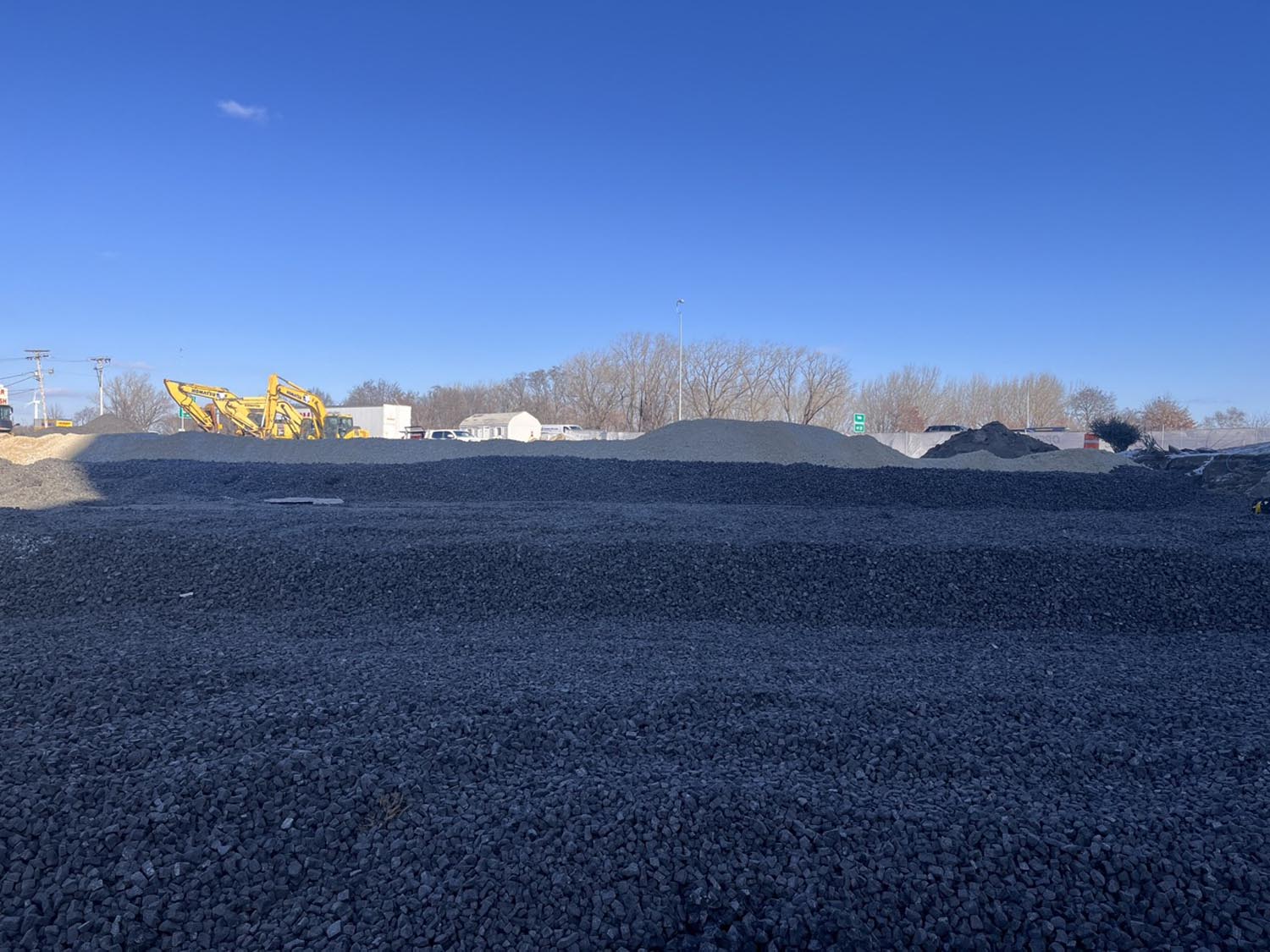
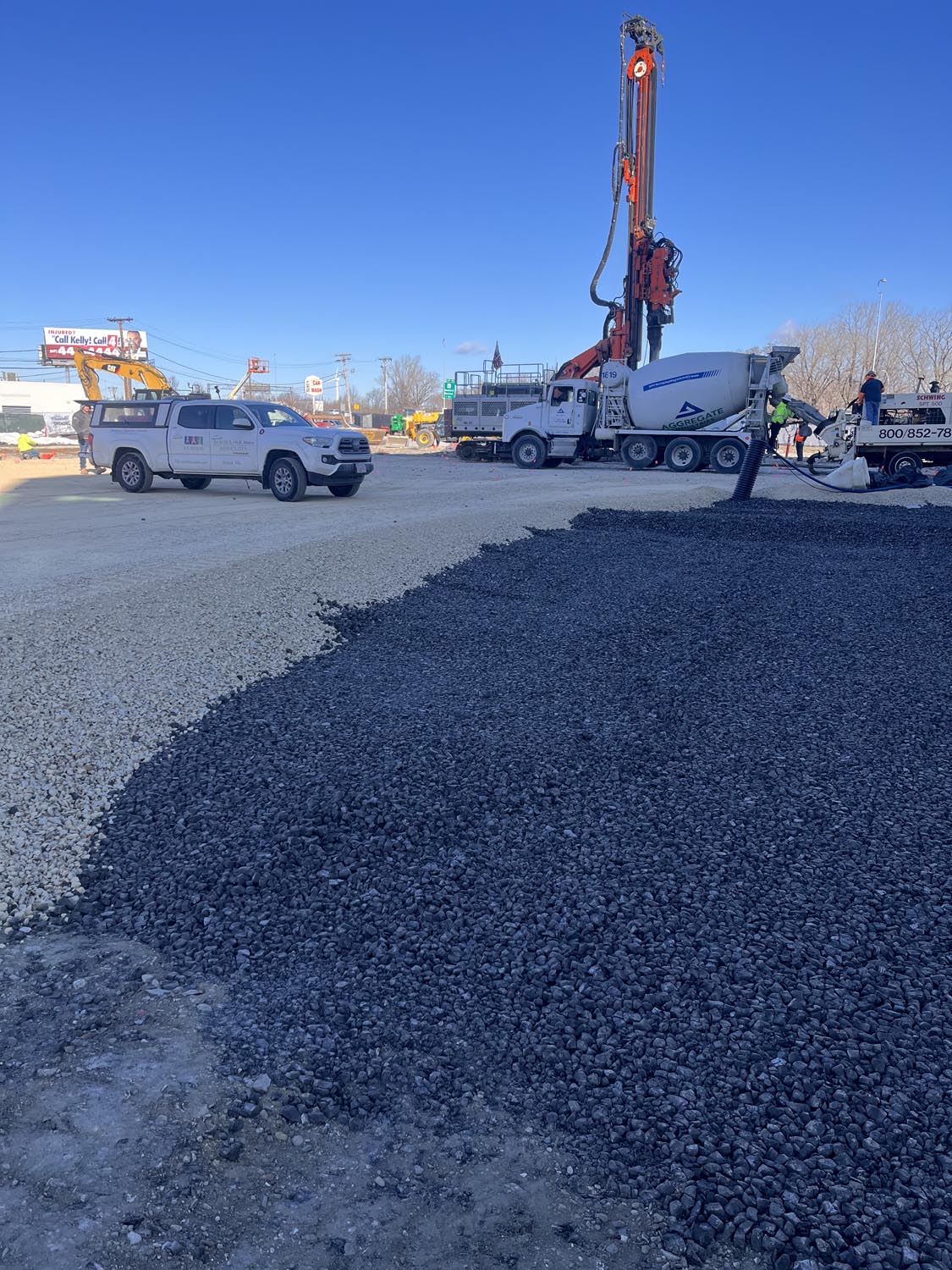
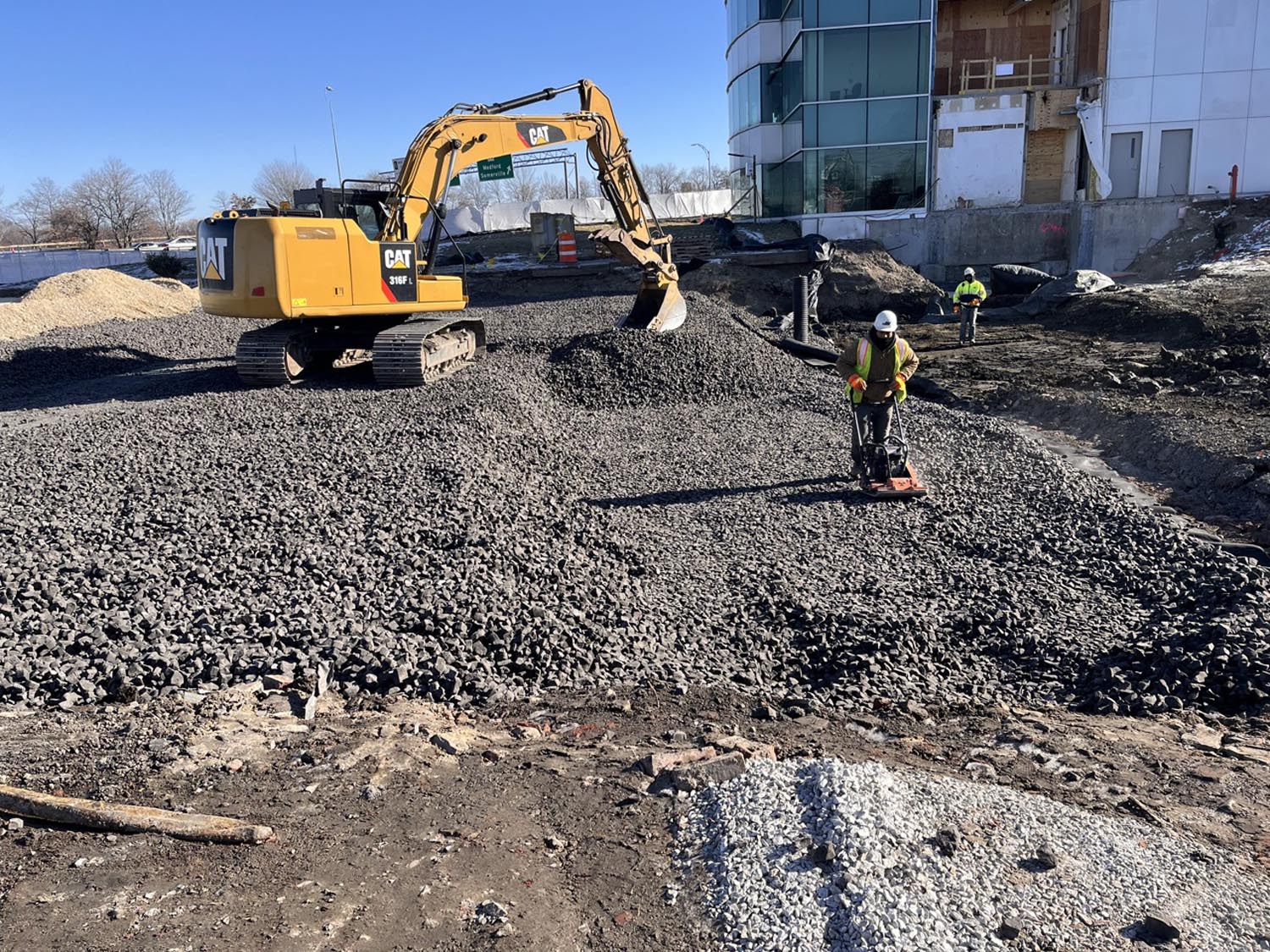
The project team created a hybrid foundation system that combined foamed glass aggregate and geoconcrete columns to address both settlement and load-bearing challenges. Foamed glass aggregate replaced excavated material, providing a lightweight fill that dramatically reduced the load on underlying soils while resisting settlement.

Some of the benefits of using foamed glass aggregate included:

  • Deep overexcavation: The team removed 8 feet of native soil, eliminating the compressible layer and foundation debris below.
  • Load-transfer system: Geoconcrete columns were driven through the foamed glass aggregate layer into the higher compressive strength soils below, transferring the structural loads from the building to load-bearing strata.
  • Groundwater management: foamed glass aggregate’s free-draining structure facilitates water movement through the fill zone, reducing hydrostatic pressures and improving site drainage.
Project Name
Herb Chambers Toyota
Location
Medford, Massachusetts
Application
Scope Completion Date
February 2025
Volume
5,700 cubic yards
Carbon Savings

Case Studies

Foamed Glass Aggregate being used at the Exit 17 Bridge Replacement
Infrastructure Construction
, Lightweight Fill
Exit 17 Bridge Replacement
Vermont’s Exit 17 Bridge replacement used 12,500 cubic yards of foamed glass aggregate to build bridge approaches over deep clay soils, eliminating the need for costly excavation while preventing long-term settlement in the I-89 corridor.
Featured photo for the OnLogic Case Study
Commercial Construction
, Subslab Insulation
OnLogic
OnLogic’s 150,000 sq ft headquarters achieved 87% embodied carbon reduction by replacing traditional foam insulation with foamed glass aggregate in their subslab assembly.
Foamed Glass Aggregate being used at the Route 28 Bridge Replacement
Infrastructure Construction
, Lightweight Fill
Route 28 Bridge Replacement
A historic bridge through the Adirondack Park near Raquette Lake needed a 12 foot grade change over a sensitive marshland. Foamed glass aggregate delivered a lightweight solution that protected the nearby landscape and eliminated the need for driving piles.
Commercial Construction
OnLogic
OnLogic’s 150,000 sq ft headquarters achieved 87% embodied carbon reduction by replacing traditional foam insulation with foamed glass aggregate in their subslab assembly.

Let’s Build Together.

Explore how foamed glass aggregate can work for you.