
The embankment below Dewey Avenue in West Rutland, Vermont collapsed under the weight of traditional fill and live loads from traffic. Foamed glass aggregate was used as a lightweight fill solution to alleviate the structural requirements along the embankment.
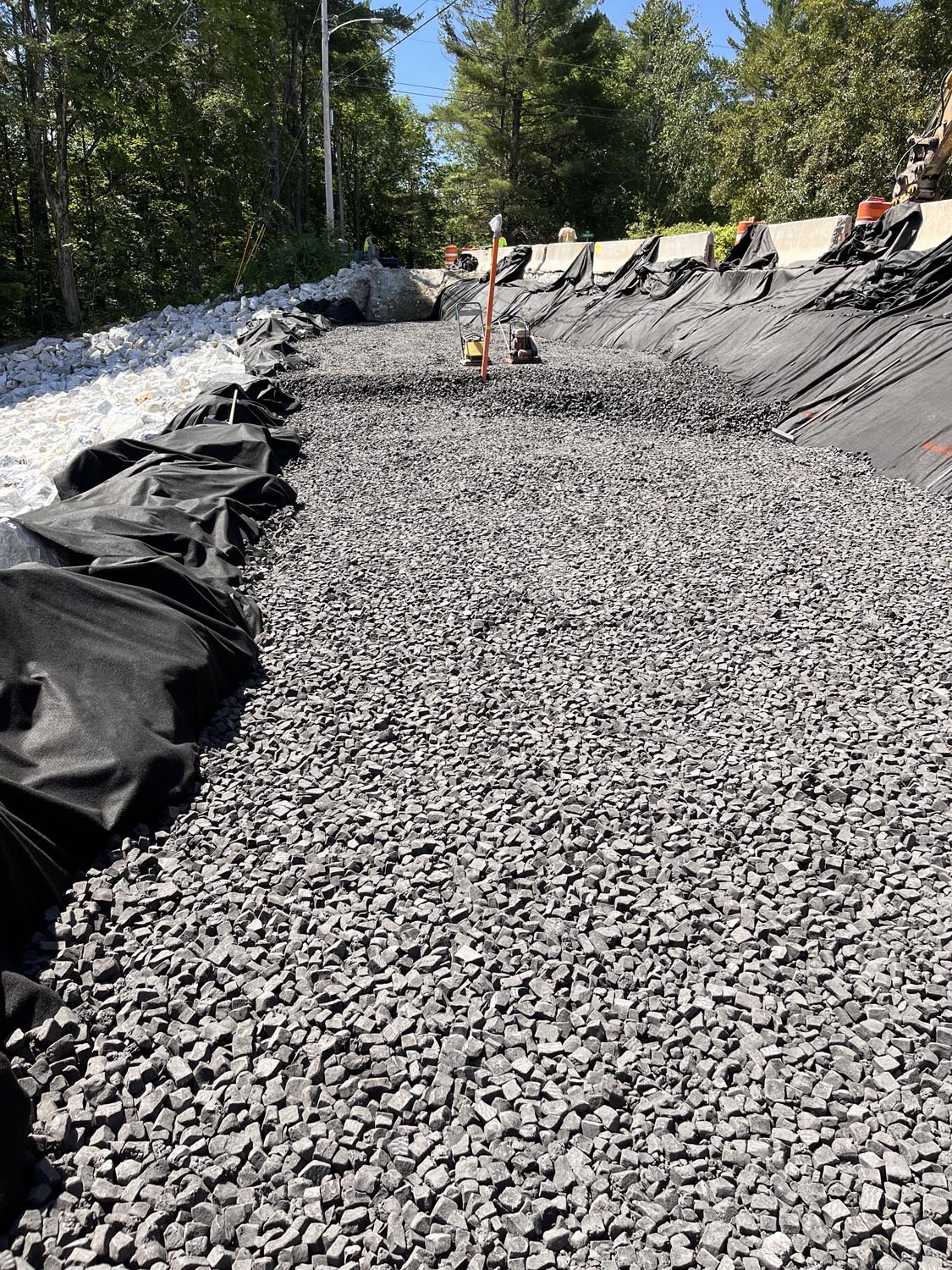
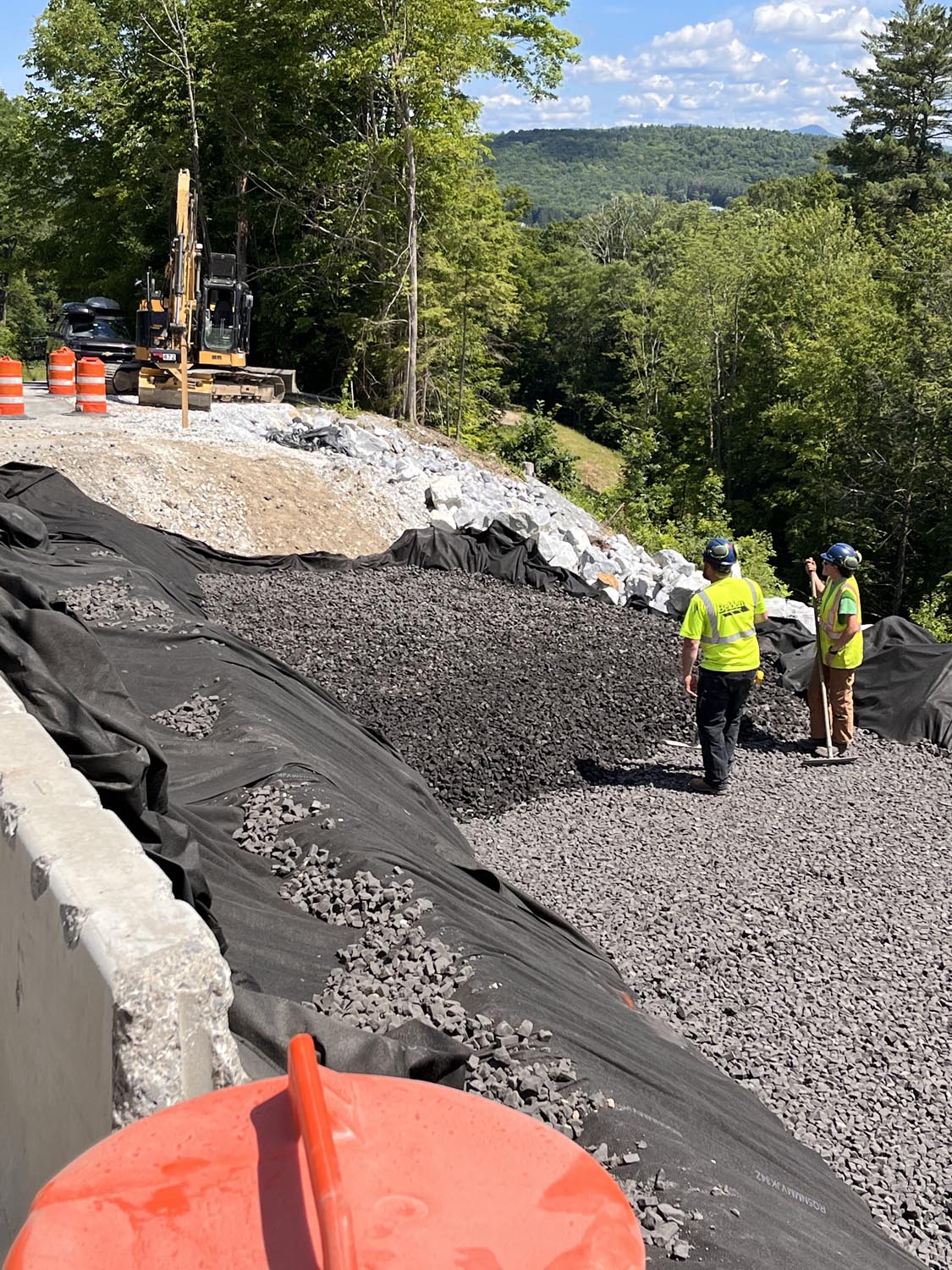
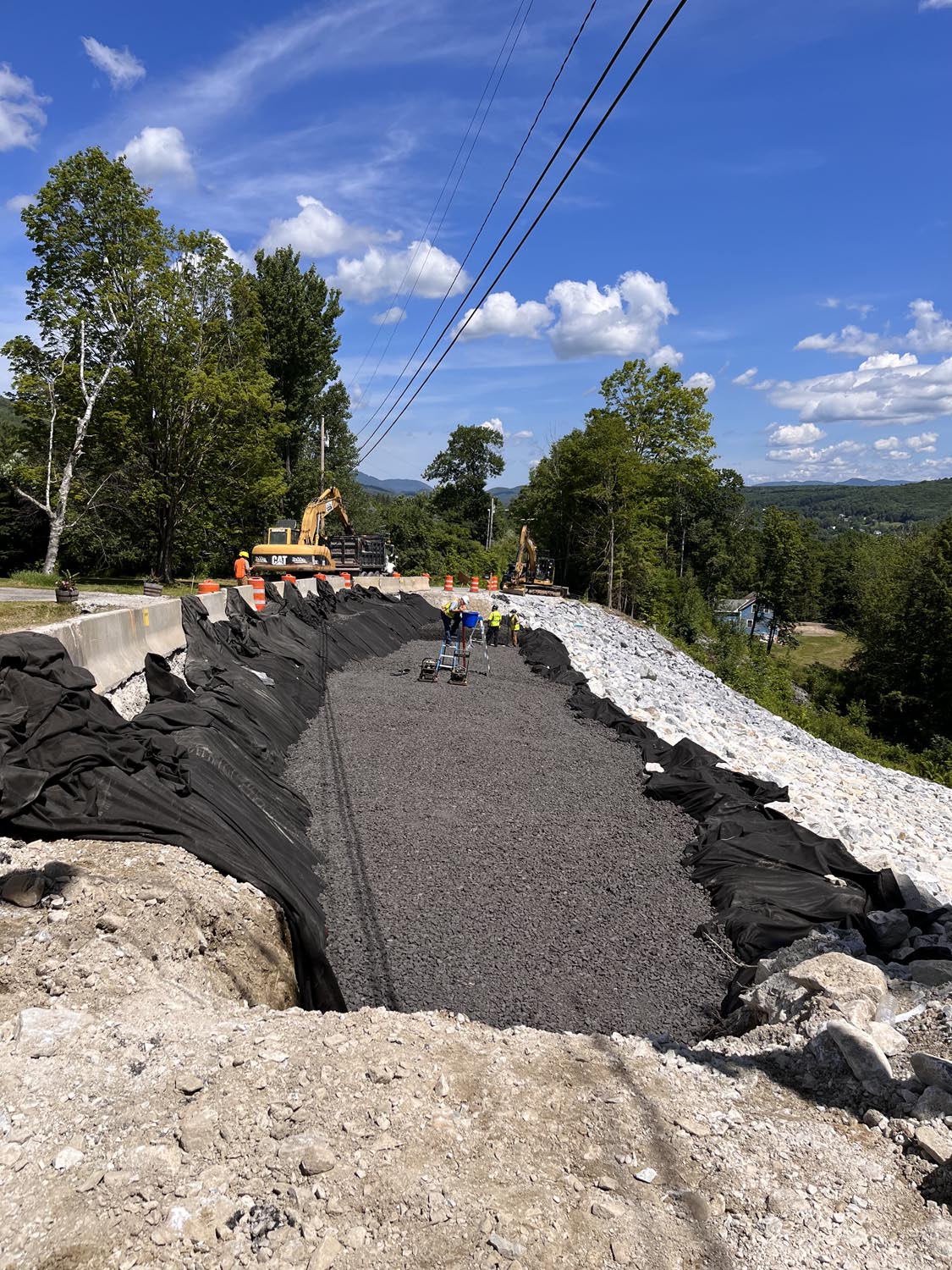
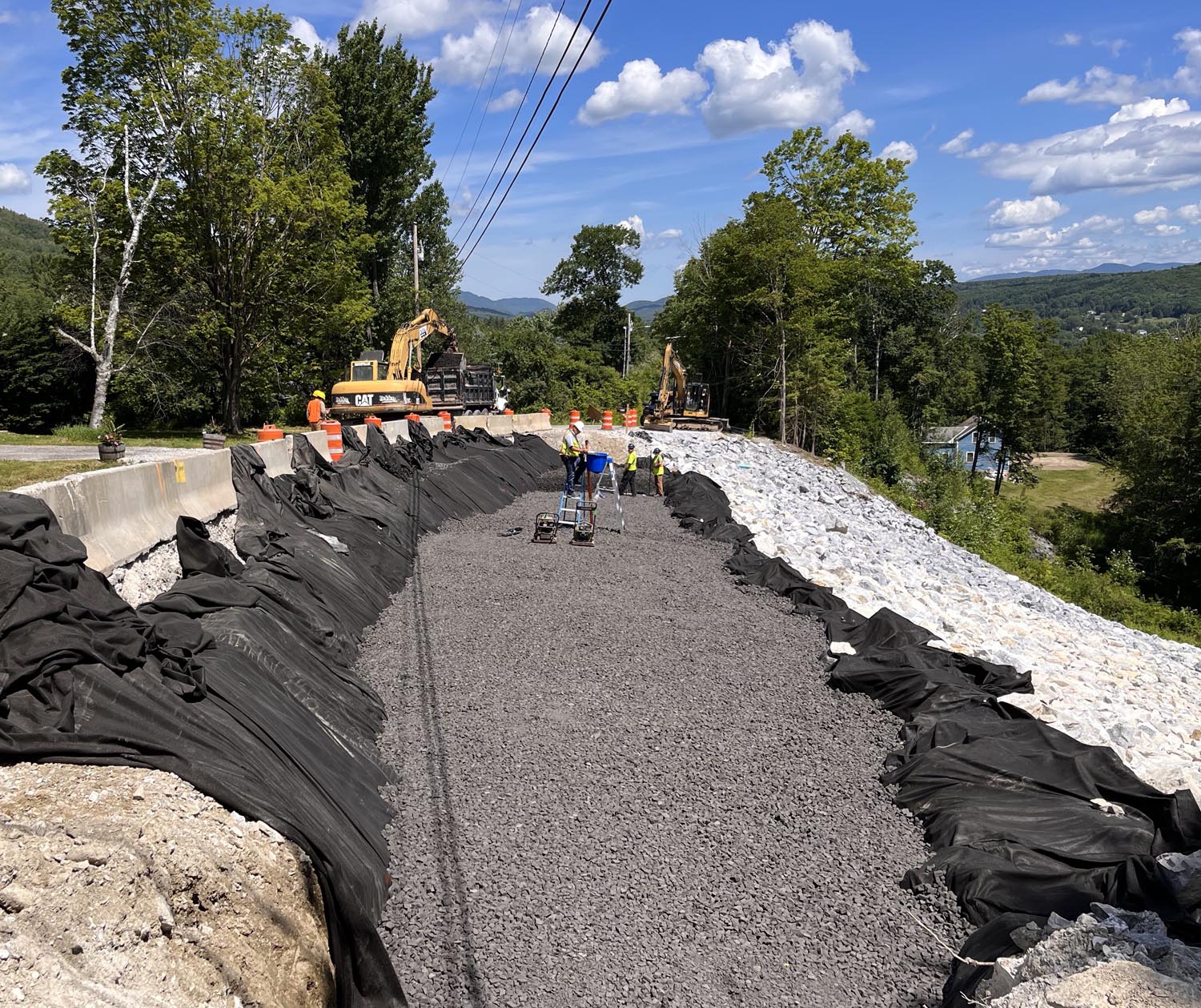
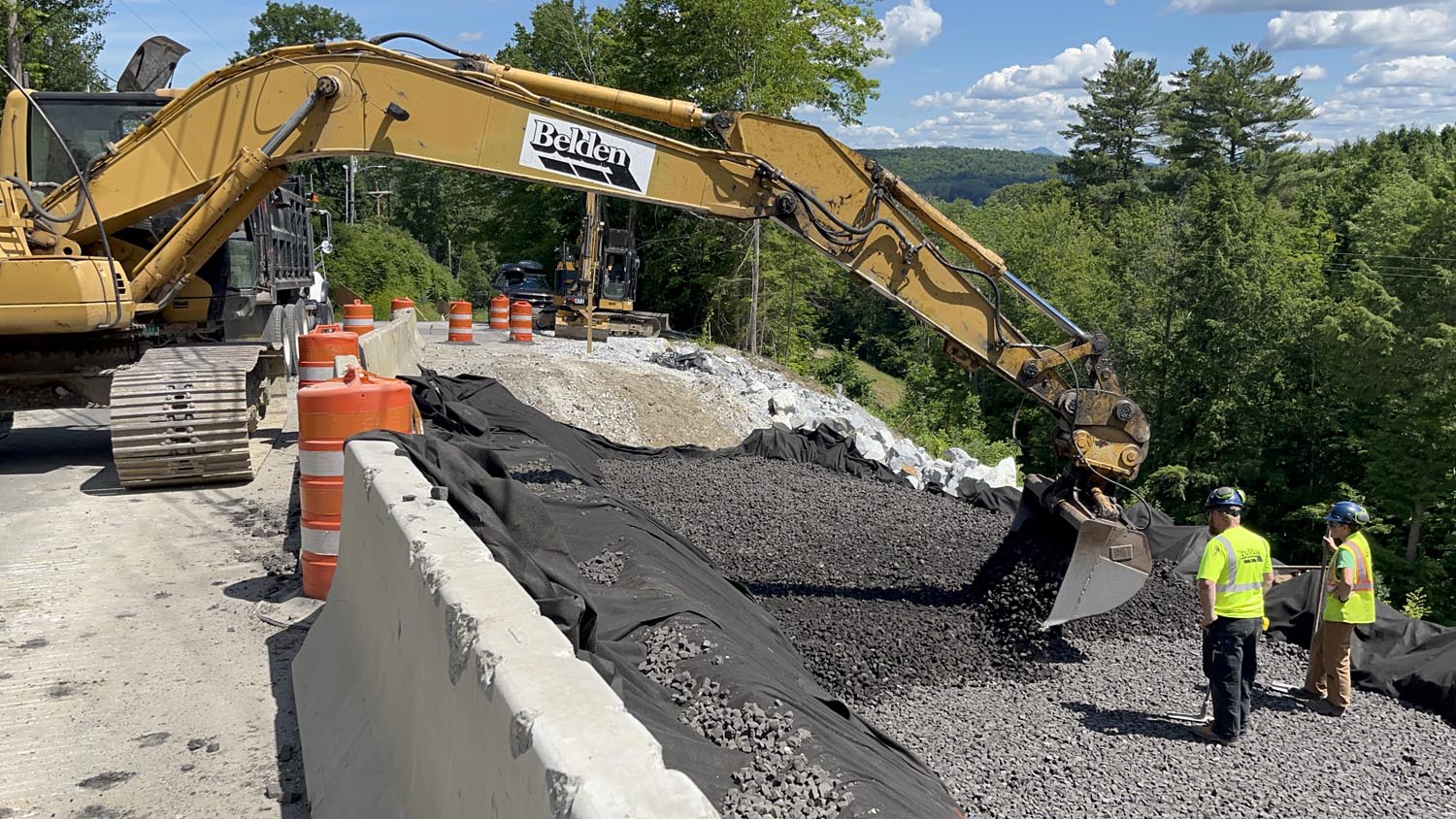
The road collapse at Dewey Avenue identified the limits of this embankment under high dead load. The embankment failure created an urgent need for reconstruction with materials that wouldn’t create another collapse. Key considerations on the rebuild included:
Foamed glass aggregate provided high compressive strength and low unit weight, making it the ideal lightweight fill for the roadway reconstruction. The weight reduction was a significant contributor towards the rebuilt embankment’s stability, reducing the load by 90% compared to traditional stone or fill. The non-permeable closed-cell structure of foamed glass aggregate created a free-draining base that prevented moisture build up and additional load on the steep embankment. Foamed glass aggregate’s use in the Dewey Avenue Road Stabilization highlighted how lightweight fill materials solve multiple issues faced by roadway failures along embankments, turning a roadway with a conventional embankment into a stable infrastructure asset.


